Why Do You Need Standout Brand and Digital Design in the Hospitality Sector?

Walk into any city now and the options are endless. Hotels, serviced apartments, boutique stays, food-led destinations, hybrid living concepts. On the surface, many of them offer roughly the same thing. A place to stay, eat or spend time. So the real question becomes: why should anyone choose you? That is where brand and digital design stop being a “nice to have” and start doing the heavy lifting.
—
The Market Is Crowded, but Most of It Looks the Same
There is no shortage of hospitality brands. The issue is that a large number of them feel interchangeable. Similar naming styles. Safe visual identities. Websites that follow the same templates. You scroll, you click, and nothing really sticks.
If your brand does not give someone a reason to pause, you are already losing them.
Standing out is not about being loud for the sake of it. It is about having a point of view. Something that feels considered, specific to place, and difficult to copy.
—
Your Website Is Your First Real Brand Experience
For most guests, their first interaction with you is digital.They land on your website, often quickly, often while comparing three or four other options at the same time. You have a short window to make an impression. If that experience feels clunky, generic or disconnected from what you are trying to be, people drop off. Not always consciously, but it happens. The real aim is to stop the client moving to the decision layer down – you want them at “I need to check this place out” not “Do I want this food or how much is it.”
Good hospitality websites do a few things well:
* They set a tone immediately
* They make navigation feel effortless
* They reflect the actual experience, not just describe it
* They remove friction from booking
In simple terms, they feel like the place before you have even arrived.
—
Search Has Shifted, and Brand Clarity Matters More
People are no longer just searching “Restaurant in Manchester” and clicking the top result. They are asking more specific questions, using AI tools and browsing in a less linear way.
This is where GEO comes into play. To show up in these environments, it is not enough to exist online. You need to be understood. That comes down to clear positioning, consistent language and ontent that actually says something, not just fills space. A well-defined brand gives search engines and AI platforms something to latch onto. Without it, you blend into the background noise.
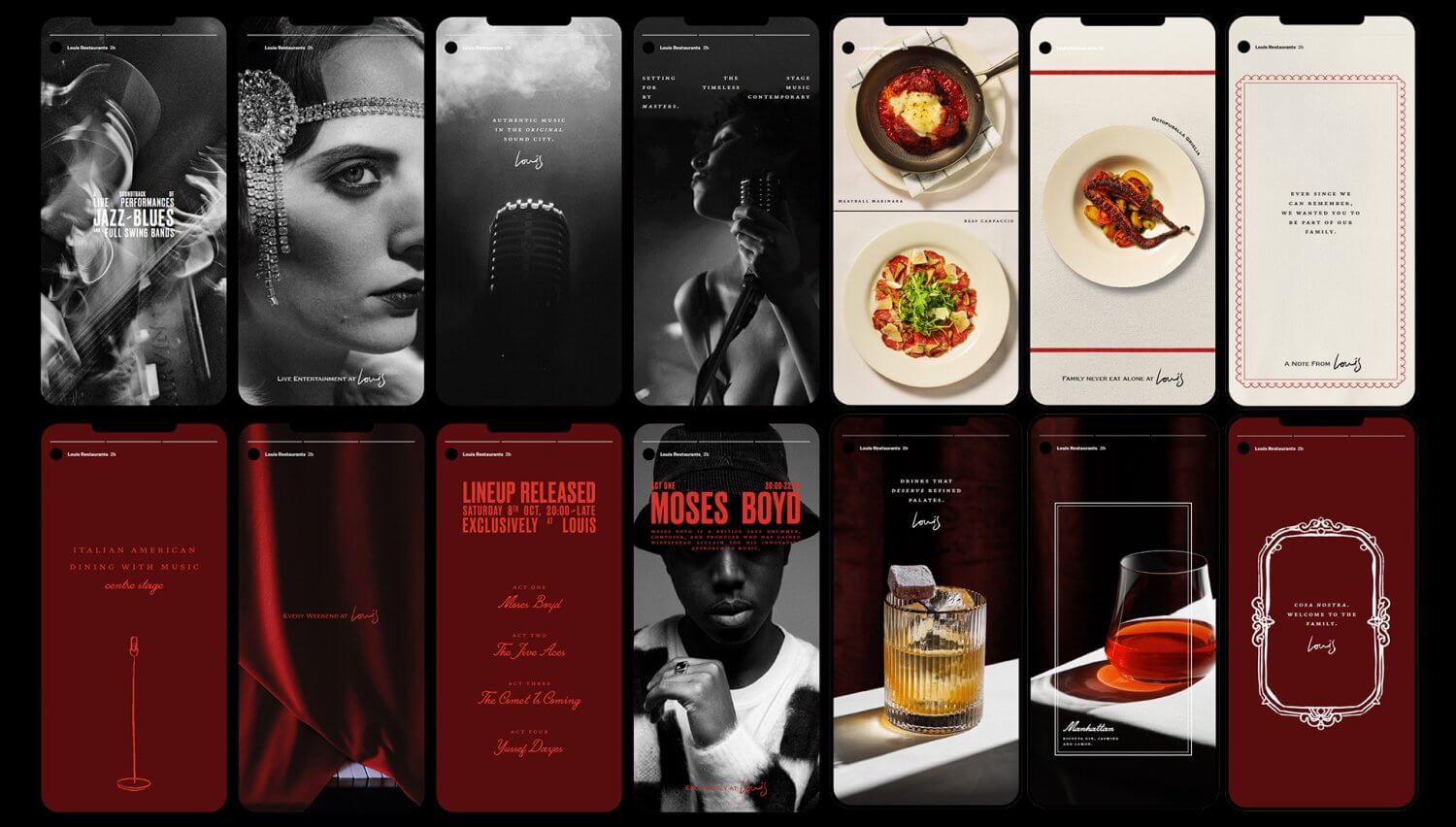
People Choose Places Based on Feeling
Hospitality has always been emotional, you are not just selling a room or a table, you are selling how that experience feels. Is it calm, social, design-led, local, premium, playful? If your brand does not answer that clearly, people will not do the work to figure it out themselves. They will move on to somewhere that does. A strong identity helps people self-select. The right audience recognises it quickly. The wrong audience filters themselves out. Both are useful.
—
Consistency Is What Builds Trust
It is easy to focus on one element, a logo, a website, an interior but the real impact comes when everything lines up. Your signage, digital presence, tone of voice, graphic language and photography should all feel like they belong to the same place.
When they do, it creates a sense of confidence. When they don’t, something feels off, even if people cannot quite explain why. Consistency is often overlooked, but it is one of the main reasons some brands feel “premium” and others do not.
—
Better Brand, Better Margins
There is a direct link between how something looks and feels, and what people are willing to pay for it. If your brand and digital presence feel considered, people assume the experience will be too. That allows you to position differently, often at a higher price point.
If everything feels generic, price becomes the deciding factor and at that point, you are competing in a race to the bottom.
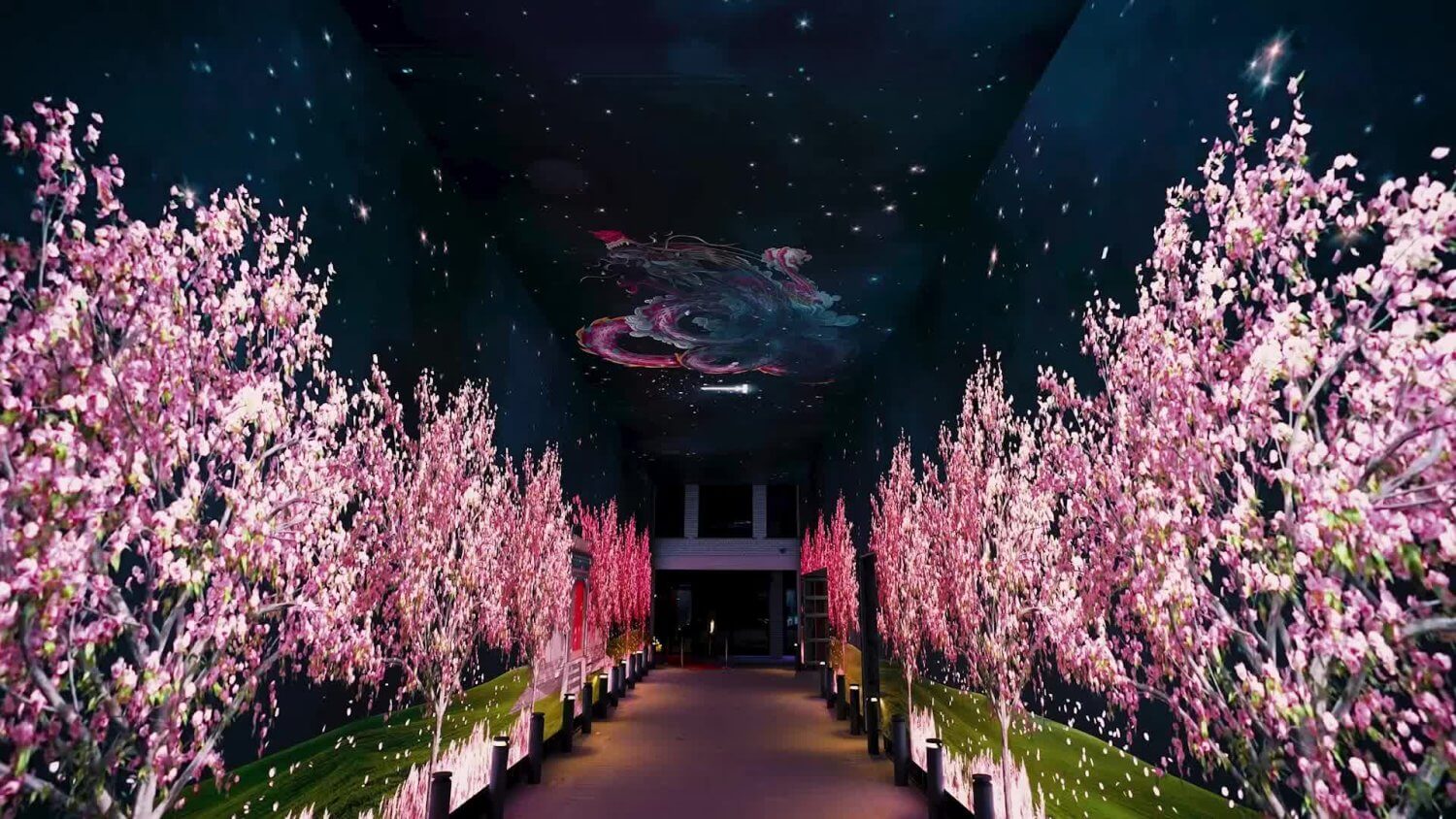
Blending In Costs More Than Standing Out
It might feel safer to follow what others are doing. Similar styles, similar structures, similar messaging but in reality, that is often the more expensive route long term. You end up relying more on third-party platforms, paid channels and discounts to drive bookings. You have less direct recognition and less loyalty. The purpose of brand is to avoid a second layer decision metric, it reduces reliance on intermediaries and gives people a reason to come back.
—
So, Why Does It Matter?
Because the hospitality sector is no longer just about offering a place. It is about being chosen, often in seconds, on a screen. If your brand and digital experience do not create that moment of recognition or interest, someone else’s will.
Standing out is is about clarity, consistency and having something worth noticing, it’ what drives visibility now and more importantly, it is what drives decisions.