Place Branding

Place branding is at the heart of what we do
A place brand exists in how people feel when they arrive, what they remember when they leave, and whether they choose to come back. As places compete more than ever for attention, relevance, and trust, forming a genuine emotional bond with people has become essential, whether you’re responsible for a museum, a single building, a neighbourhood, or an entire city.
For over 15 years we’ve worked alongside place-makers to help uncover what truly makes their space a place. By combining experience, insight, and creativity, we build place brands that connect with people in meaningful ways and deliver lasting, measurable impact.
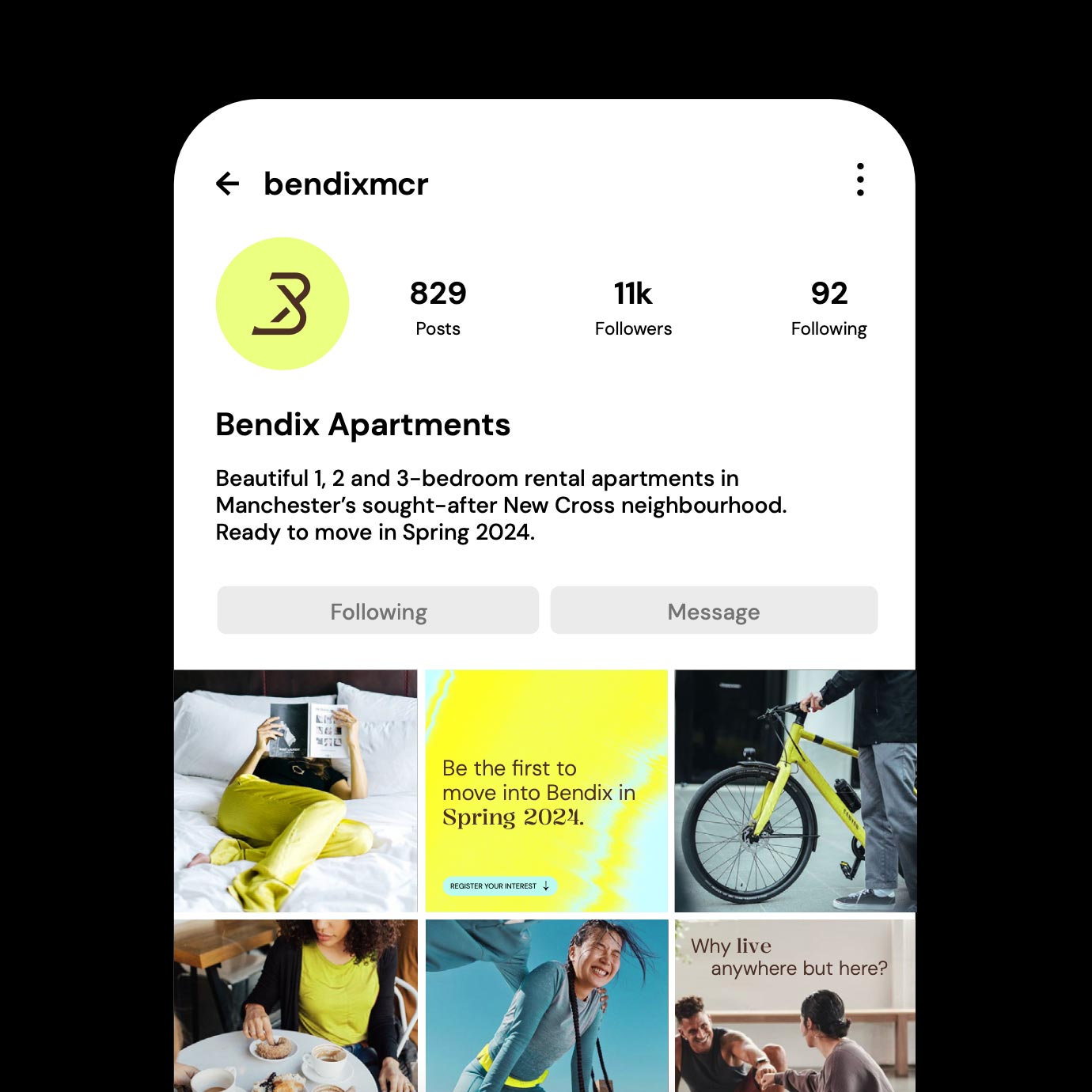
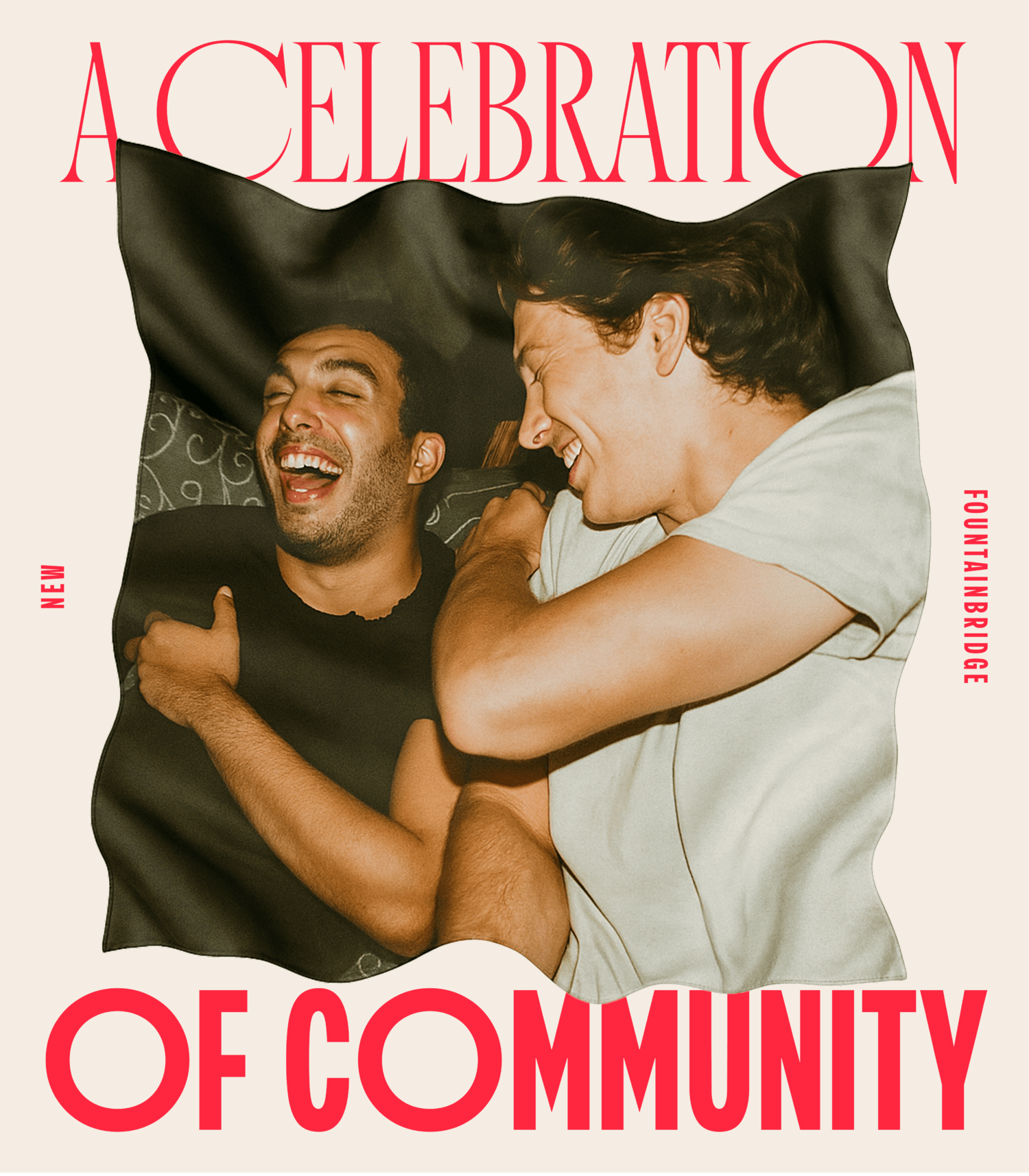
A strategic approach to space & place is key
Discovery
Successful place branding starts with empathy, with listening. Our research & insight process is designed to bring stakeholders and audiences into the conversation from the start, building trust and shared ownership along the way. Informed by deep benchmarking and rigorous testing, we help shape brands that are grounded in reality—not trends that fade as quickly as they appear.
Naming
Names carry meaning and expectation; it is without doubt the hardest part of our work and getting it right means understanding not just how it sounds, but how it works across language, culture, web domains and social platforms. From buildings and streets to destinations and districts, we’ve guided complex naming projects and know how to navigate the process to arrive at a name that feels right and stands the test of time.
Brand identity
Strong place identities feel effortless, but they’re carefully crafted and strategically delivered. Our brand identity work brings together visual and verbal expression to reflect the true character and purpose of a place. The result is clarity, recognition, and trust helping attract people, investment, and a shared sense of pride.
Place positioning
Some places simply feel more alive than others more engaged and more active. We approach place positioning to define why a place exists and who it exists for. Defining a strong positioning for a place can influence the type of business, people and footfall that brings the space to life.
Featured project
View all projects
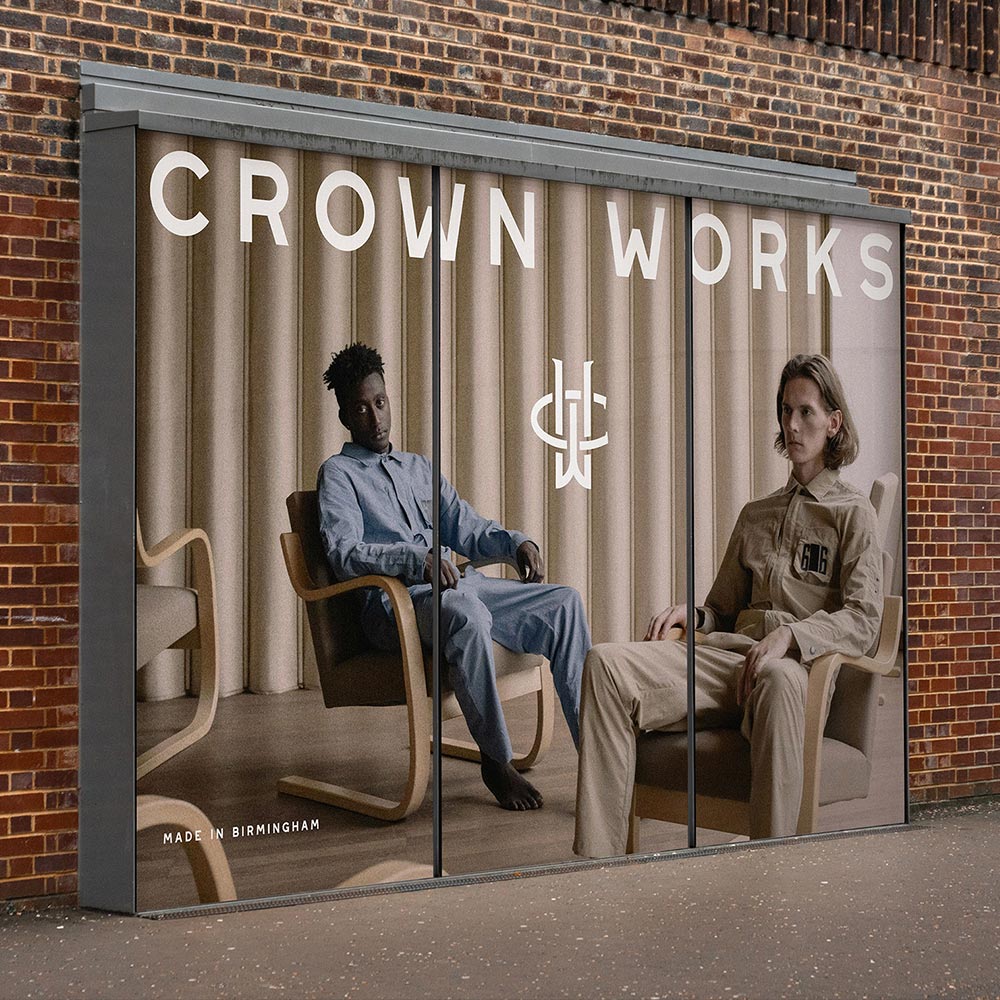
Crown Works
Made In Birmingham


Featured project
View all projects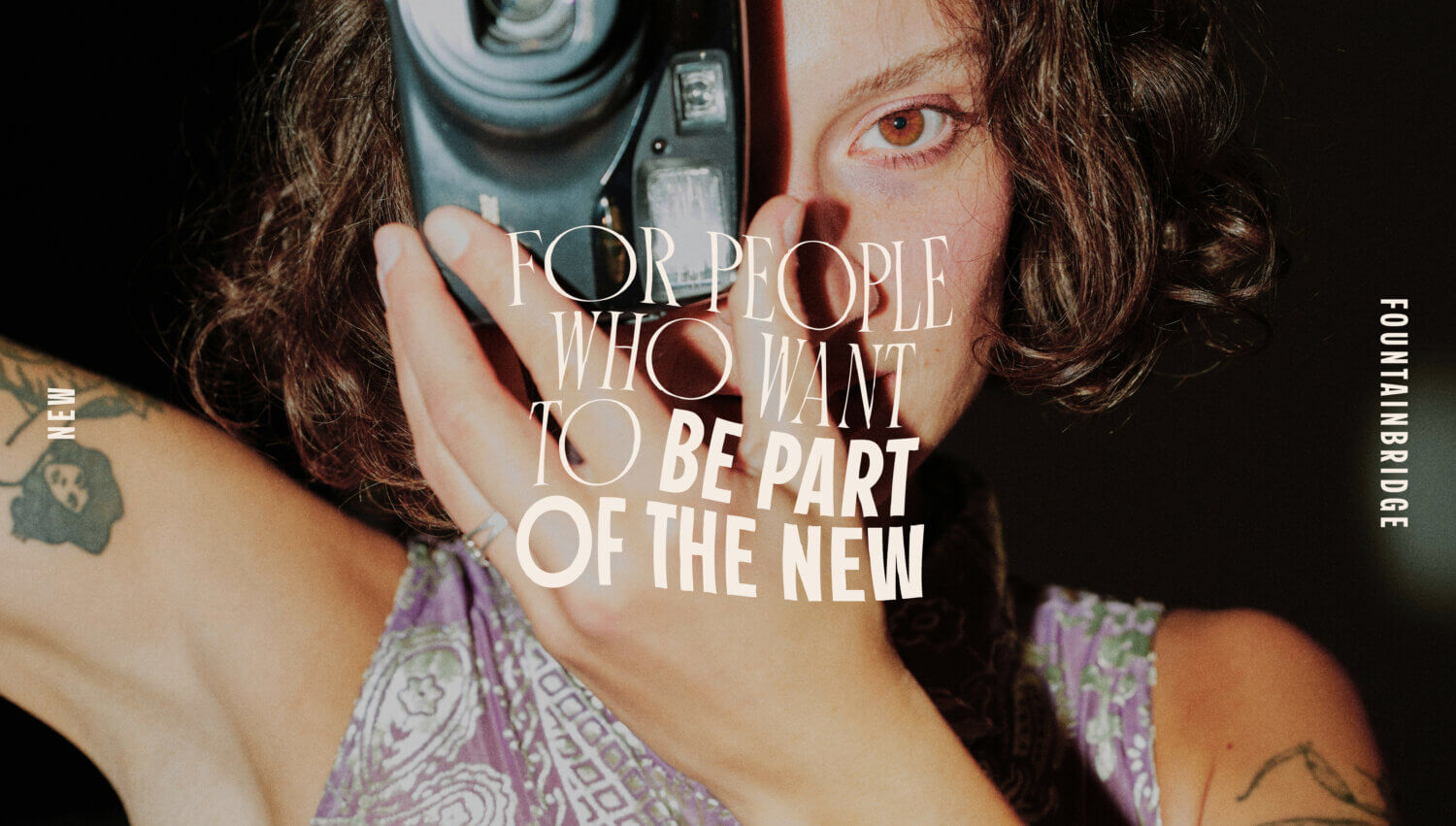
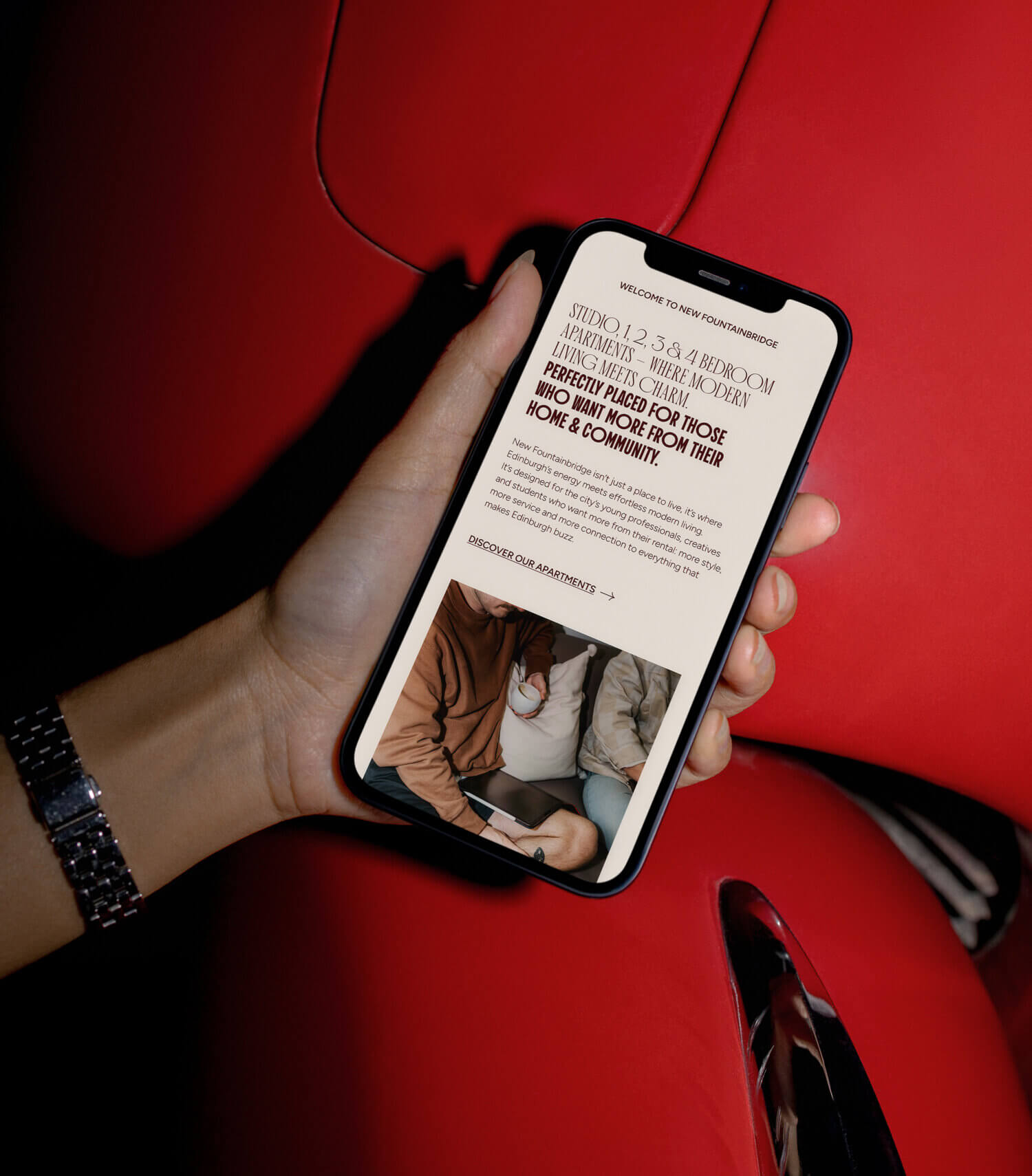
New Fountainbridge
New Fountainbridge


Frequently asked questions about place branding
Place branding is the process of defining the identity, story and positioning of a physical location — a building, a neighbourhood, a destination or a whole city — so that the people who visit, live, work or invest there feel a genuine connection to it. It’s different to product or corporate branding because the “product” is somewhere people actually spend time, which means the brand has to hold up across signage, architecture, website, wayfinding, and the human experience of arriving and leaving. Done well, it shapes how a place is remembered and whether people choose to return.
We work with developers, councils, cultural organisations and landowners to research, name, position and visually identify a place, then carry that identity through to website, wayfinding and marketing assets. Day to day that means stakeholder workshops, audience and competitor research, naming and trademark work, brand identity design, tone of voice, digital design, and often the launch campaign that introduces the place to the people it’s meant for. We’ve been doing this for over 15 years from our studio in Manchester’s Northern Quarter.
Most of our place branding projects run between three and six months from kickoff to brand launch, with naming and positioning typically taking the first six to eight weeks. Larger schemes — a full district, a mixed-use masterplan, a city-region — can run longer because of the stakeholder engagement involved. We’d rather take the time to get the foundations right than rush to a logo that doesn’t survive contact with reality.
Place names have to work in ways that company names don’t: across signage at scale, in postal addresses, in conversation between residents and locals, across decades. They also have to navigate planning conversations, local sensitivities and the history of the site itself. We treat naming as the hardest part of the job for a reason — it’s the thing that survives long after the marketing campaign ends, and the part that has to feel right to the people who actually live or work there.
Placemaking is the physical and social design of a space — how the public realm, amenities, events and community programming come together to make somewhere worth being. Place branding is how that experience is named, positioned and communicated to the wider world. The two have to work in step, and the best schemes are the ones where the brand reflects something genuinely true about how the place feels rather than a marketing veneer applied on top.
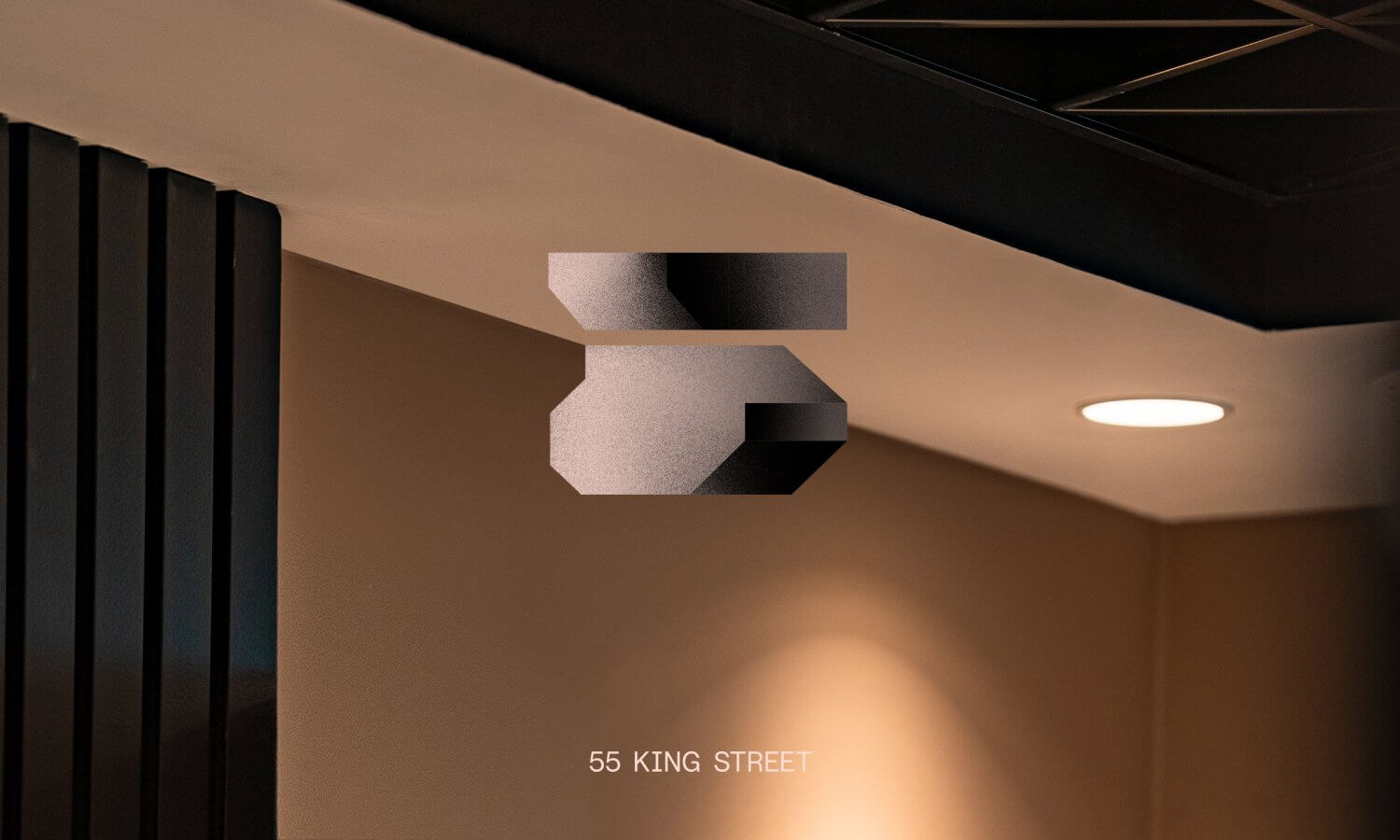
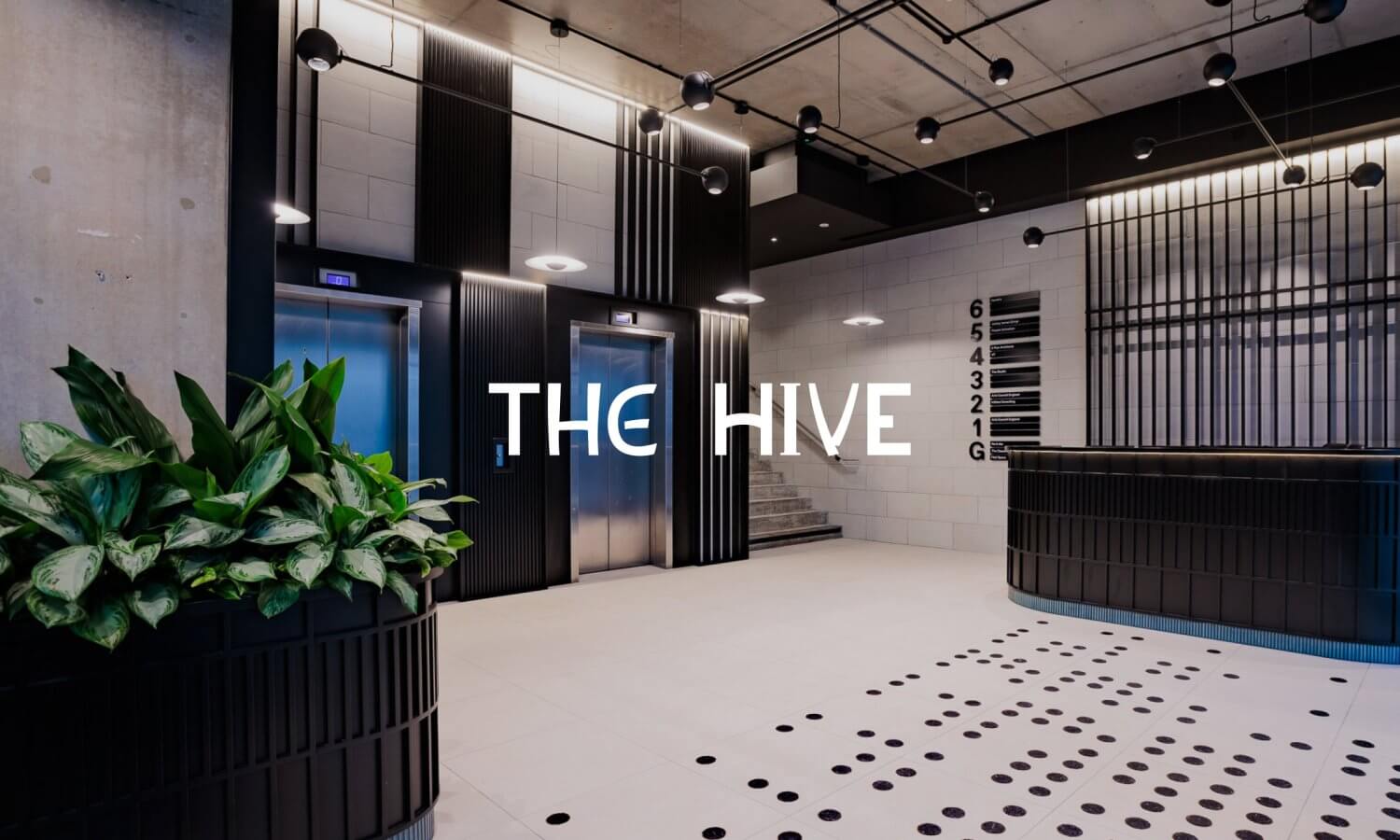
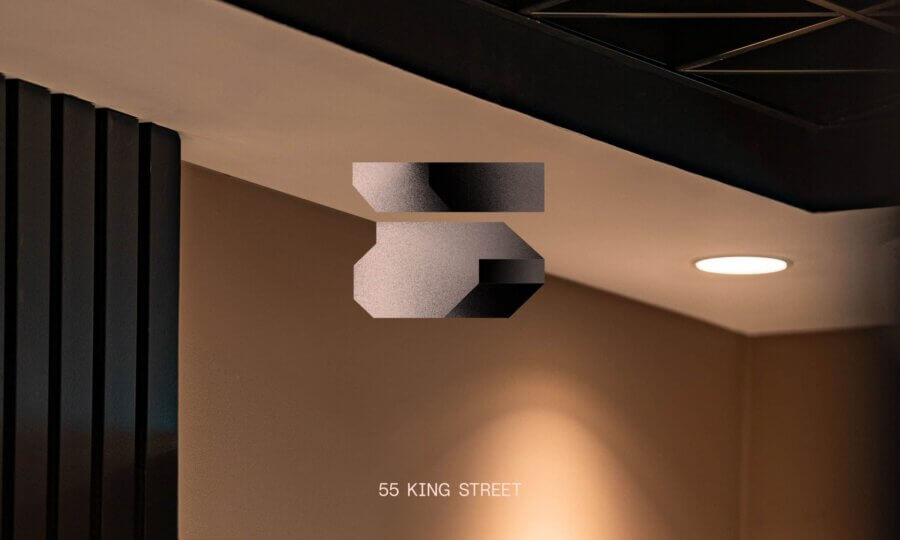
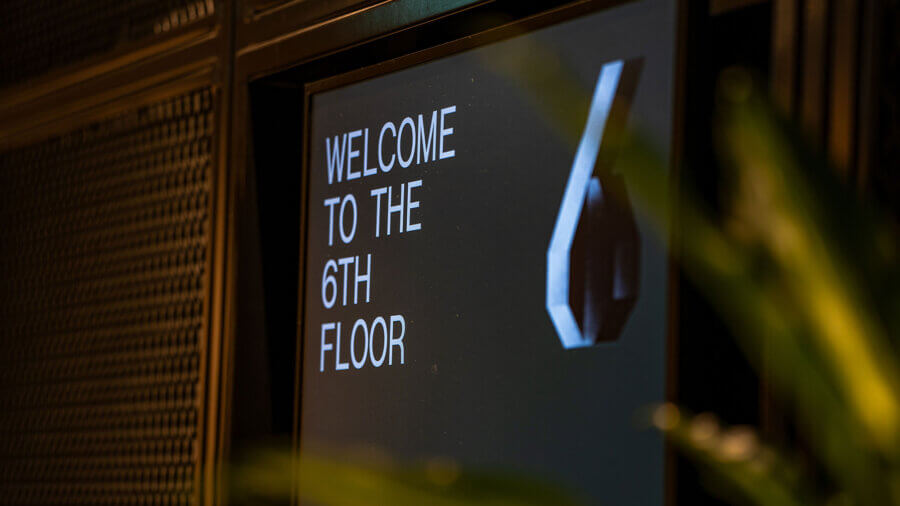
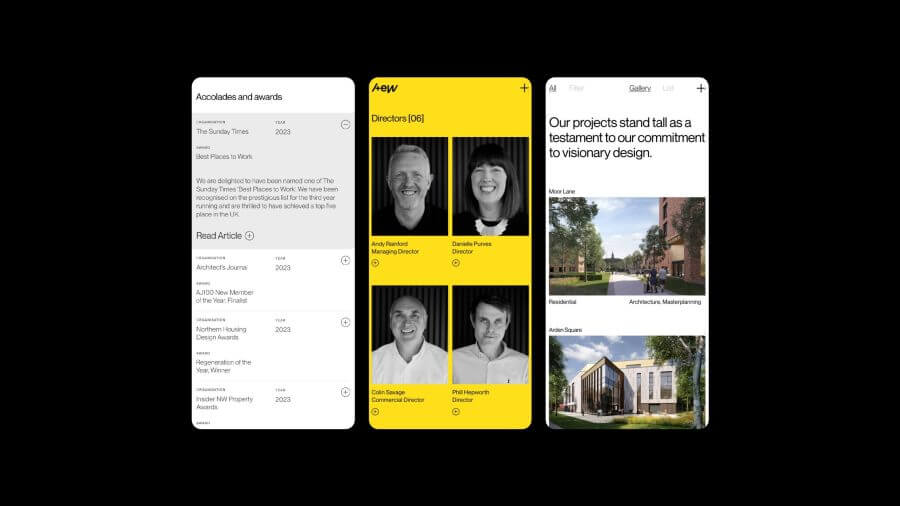
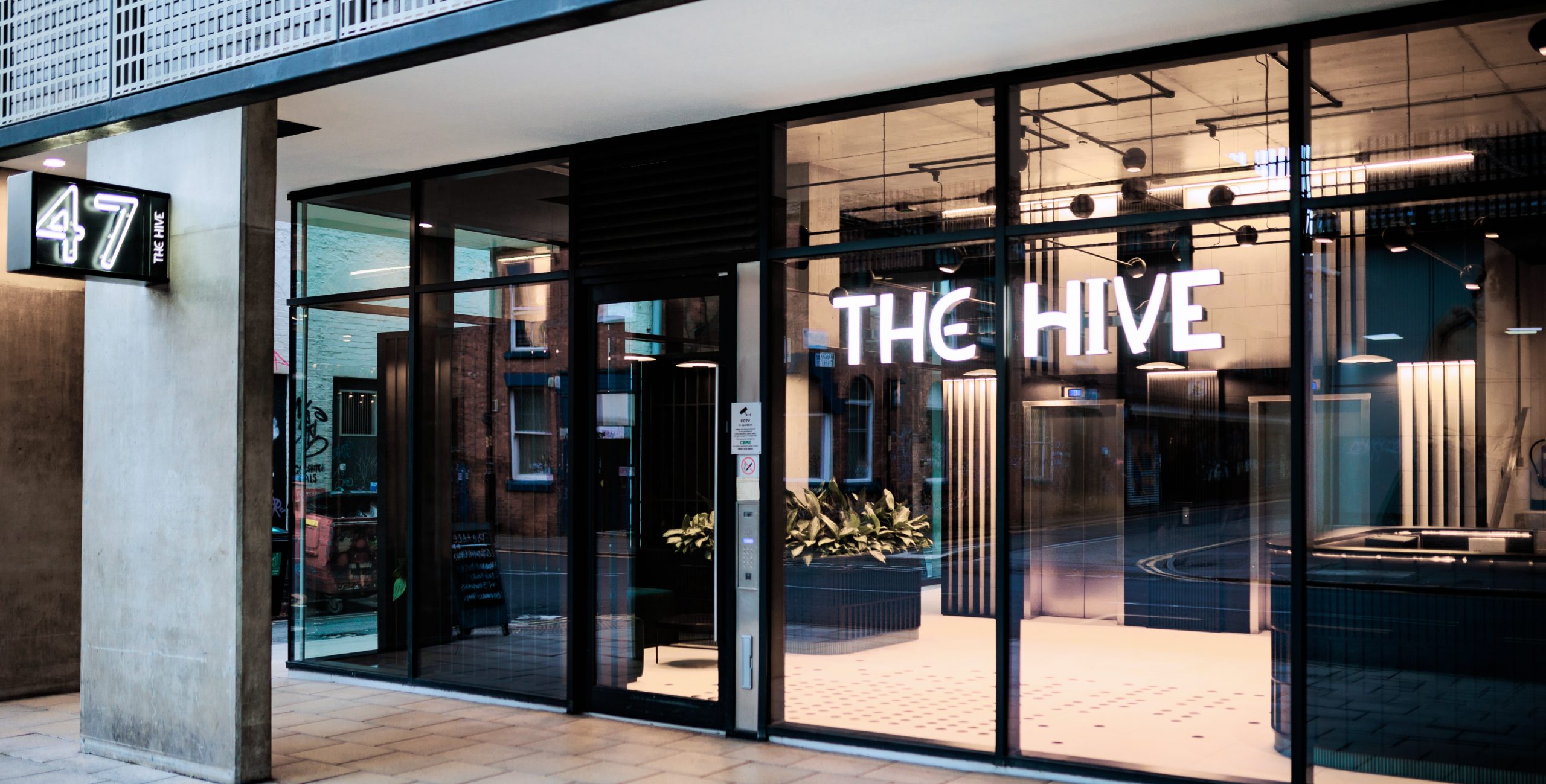
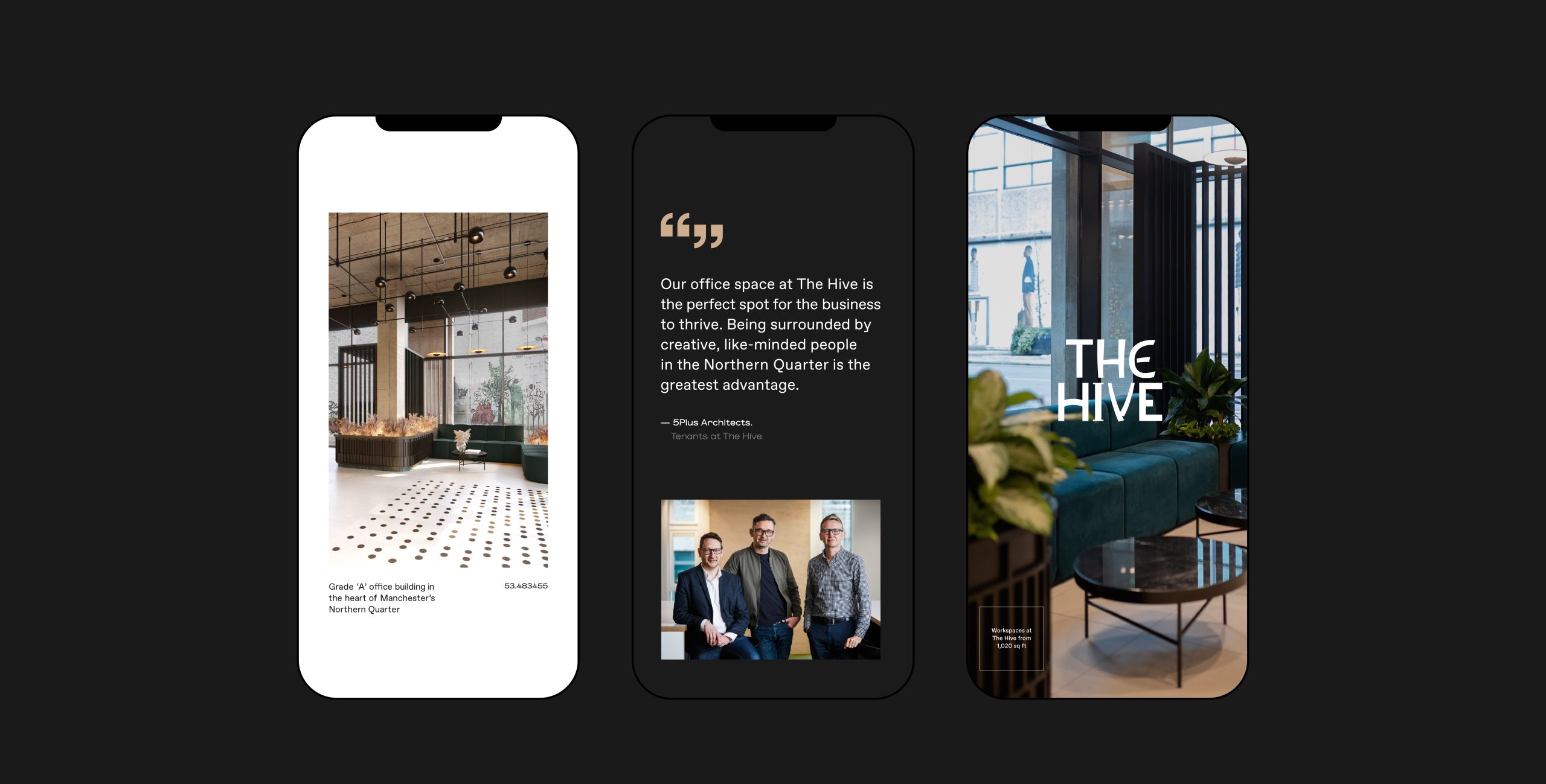
Recent and notable place branding projects include Crown Works in Birmingham, New Fountainbridge in Edinburgh, The Hive in Manchester’s Northern Quarter, 55 King Street, and AEW. Our wider client base in property and place includes M&G, JLL, Savills, CBRE, Colliers, Avison Young, APAM, Peel Waters and Alliance. We’re based in Manchester and work across the UK.
No – we work on everything from a single building or venue up to district-level masterplans. The process scales: the same fundamentals of research, naming, identity and positioning apply whether it’s a boutique workspace in the Northern Quarter or a mixed-use scheme covering several hectares. The depth of stakeholder engagement and the size of the rollout shift, but the thinking doesn’t.
Place branding budgets vary widely depending on scope — naming and identity for a single building is a different commission to full strategy, naming, identity, website and wayfinding for a district. The honest answer is that a meaningful project tends to start in the low five figures and scales from there. We’d rather have a short conversation about what you actually need than quote a number into the abyss.
A successful place brand is one that residents, visitors and tenants recognise as true — it reflects something real about the location rather than projecting a fantasy that the space can’t deliver on. The measurable signs are footfall, occupancy, repeat visits and the willingness of the right kinds of business and people to commit to being there. The unmeasurable but equally important sign is whether locals actually use the name and refer to the place by it, instead of working around it.